

The jacron vs leather patch question, with PU as a third contender, matters more than many new denim brands expect. The patch on the back waistband is the first thing people look at when they size up a pair of jeans. It carries the logo, sometimes the size, and tells a story about the brand before anyone tries the fit. All three materials look similar on the shop floor but behave very differently after fifty washes. Below we compare genuine leather, jacron (often called "paper leather") and polyurethane synthetic leather on look, wash resistance, ageing, vegan status, branding options and relative cost, then give a recommendation by brand type.
The three materials in brief
Genuine leather
The classic choice since the early days of denim. Most often it is vegetable-tanned cowhide, which darkens and develops a patina over time. Each patch is slightly different because leather is a natural material. If the leather is chrome-tanned, note that under REACH, leather articles in contact with skin must not contain hexavalent chromium above 3 mg/kg.
Jacron
A semi-synthetic material made from cellulose fibres (paper pulp) impregnated with a binder. It looks like leather but is lighter, cheaper, washes well and is generally vegan. Over time it wrinkles into a worn-in look that many brands love. Our separate article on what jacron is goes into more detail.
PU leather
A polyurethane coating on a textile backing. It is waterproof, resists tearing and deformation, and has an even colour and surface. It is fully synthetic, and the quality of the coating decides whether it starts to peel after a few years.
 Metal tags E-2302 Gun Metal 1.5 x 1 x 1 cm – Triangular 3D shape, for laser branding
 Jacquard woven label LBL 0054 8 x 5.5 cm – pink with yellow letters, soft premium design, with logo
 Woven label 8.5 cm x 1.7 cm - clothing labels
Comparison table
| Criterion | Genuine leather | Jacron | PU leather |
|---|---|---|---|
| Look | Most authentic, natural grain | Leather-like, matte | Uniform, gloss or matte |
| Washing | Can shrink, stiffen or bleed in hot washes | Fine up to 40 °C, air-dry | Very good, waterproof |
| Ageing | Patina, darkening | Crinkles, vintage look | Barely changes; may peel after years |
| Vegan | No | Generally yes | Yes |
| Branding | Debossing, hot embossing, laser | Embossing, print, foil | Embossing, print, foil, fine detail |
| Relative cost | Highest | Lowest | Middle |
| Consistency between pieces | Low (natural material) | High | Very high |
Wash resistance: what happens in the machine
Jeans get washed often, and the waistband patch goes through every wash, spin and tumble cycle with them. This is where the differences show most:
- Leather loses its oils in hot washes and the dryer, shrinks by a few per cent and stiffens. If dyed, it can bleed onto light denim around it. Vegetable-tanned leather is especially sensitive.
- Jacron copes well with washing up to 40 °C and air drying. High heat, whether an iron directly on the patch or a hot tumble cycle, can darken, shrink or crack it.
- PU leather does not absorb water and does not shrink. The risk lies in coating quality: cheap versions crack and peel over time.
Tip: if your jeans go through industrial washes (stone wash, enzyme wash), attach the patch after washing or choose a material tested for that process.
Branding: what each material can do
All three take hot debossing or embossing, the most classic way to put a logo on a jeans patch. Leather also allows laser engraving, which gives a natural burnished contrast. Jacron and PU take screen printing and foil (gold or silver), and PU holds the finest detail thanks to its smooth surface. For a very detailed logo or text under 2 mm, PU usually gives the cleanest result.
Which material for which brand: a decision tree
- Premium denim, selvedge, heritage style? Choose vegetable-tanned leather. Customers expect patina and value it.
- Mass or mid-market, many styles, frequent washing? Choose jacron. Good value, good looks and wash resistance.
- Vegan or sustainability-led brand? Jacron (cellulose) first; PU if water resistance is the priority.
- Kidswear, workwear, coloured patches? PU leather: uniform, durable and available in a wide range of colours.
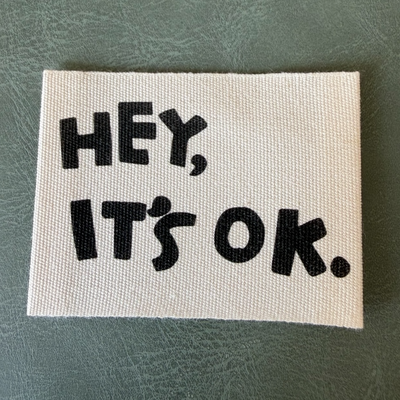
- Minimal brand that wants no leather-look patch? A woven jacquard or printed canvas label on the waistband is another classic answer.
Sizes and placement
A typical waistband patch is around 6–8 x 4–5 cm and about 1 mm thick. It is stitched on all four sides, usually in the same contrast thread as the other visible seams. If the patch carries the size (W/L), you need a separate version per size, which multiplies the number of designs. Many brands keep just the logo on the patch and put the size on a woven label inside.
FAQ
Can I call a jacron or PU patch a "leather patch"?
No. Jacron is cellulose-based and PU is synthetic. Calling them leather without qualification can mislead customers. Use the accurate names: jacron, synthetic leather or vegan patch.
Which material lasts longest?
With sensible care, all three outlast the jeans. Leather changes the most but rarely falls apart; good-quality PU keeps its looks the longest; jacron crinkles but stays intact as long as it is kept away from high heat.
How many patches should I order for a first collection?
If the patch carries only the logo, one design covers every size and style, which gives a larger total quantity and a better price. Add around 5% spare for losses during stitching.
Can the patch be a colour other than brown?
Yes. Jacron comes in natural tones, black and some colours, while PU is available in almost any colour. Genuine leather has the most limited colour range.
Ordering a jeans patch to your own design
Bul-tex does not stock ready-made leather or jacron jeans patches in its online shop, but if you are developing a denim collection and want a patch made to your design, get in touch and we can discuss material, size and branding technique. In our range you will find woven and printed labels as well as denim hardware such as jeans buttons and rivets. Read more about branding in the Labels section.