

Sewing workshop essentials are what separate a fast, reliable atelier from one where customers hear "come back in two days, I'm out of zippers." You do not need a factory warehouse, but you do need the right items in the right sizes and colours. Below is a checklist organised by category, with rough quantities for a small sewing and alterations workshop handling 30 to 80 jobs a month. Treat it as a starting point and adjust it to your profile, whether you mostly do repairs, made-to-measure dresses or children's wear.
1. Thread: the foundation
Even the best zipper looks badly fitted with the wrong thread. Keep two core counts: a finer No. 120 for shirts, dresses and light fabrics, and a heavier No. 80 for denim, coats and seams under stress. The number runs in reverse to thickness, so the higher the number, the finer the thread.
- ☐ Black, white, navy, grey and beige in No. 120 and No. 80 (two cones of each core colour)
- ☐ Indigo and golden-tan denim thread for hems that keep the original look
- ☐ 10–15 fashion colours on smaller spools for exact matching
- ☐ Clear nylon thread for invisible stitching
Our sewing threads come in No. 80 and No. 120 in the core colours.
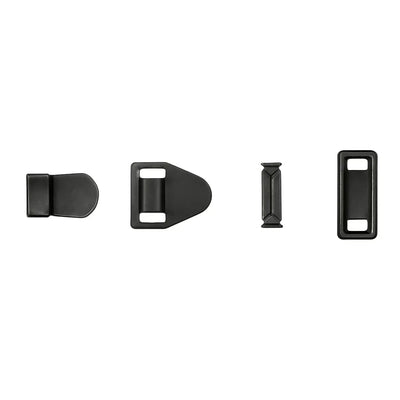
 Snap fasteners E-2278 Gun Metal 40 mm – 4 pieces, "Teardrop" design, Luxury model
 Black trouser hooks for women's trousers AG 005 Black Oxide – metal fasteners
 Concealed snap fasteners 202D 13 mm nickel-free with hidden caps
2. Zippers: the most common repair
Zipper replacement is one of the most requested services in any workshop. Keep the four main types:
| Type | Gauge | Lengths to stock | Quantity |
|---|---|---|---|
| Closed-end coil | No. 3 | 12, 15, 18, 20 cm | 5–10 of each neutral colour |
| Invisible | No. 3 | 20, 22, 50–60 cm | 5 each in black, white, beige |
| Closed-end metal | No. 4–5 | 15, 18 cm (jeans) | 10–20 in brass/antique |
| Open-end (jackets) | No. 5 | 50–75 cm | 3–5 in black and navy |
Tip: a longer closed-end zipper can be shortened from the top, so you do not need every length. Stock the longer sizes and trim them when needed.
Browse our zippers, including No. 3 coil zippers in many colours, invisible and metal styles.
3. Elastic in the key widths
Elastic is cheapest by the roll. Four or five widths in black and white cover most of an atelier's work:
- ☐ 0.5–1 cm: cuffs, necklines, lingerie, children's wear
- ☐ 1.5–2 cm: skirts, pyjamas, cuffs
- ☐ 2.5–3 cm: waistbands on children's and loungewear trousers
- ☐ 4 cm: joggers and sportswear waistbands
- ☐ 5–6 cm: wide skirt waistbands and maternity trousers
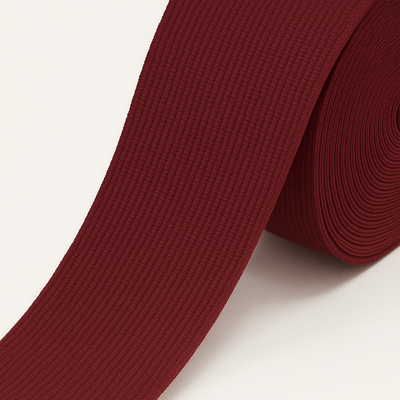
Woven elastic holds its shape and does not narrow when stretched, so it suits waistbands. Knitted elastic is softer and works inside casings and against the skin. See our elastics on 25 m rolls.
4. Buttons: few, but the right ones
Stocking every button is unrealistic, but the basic sizes save most repairs:
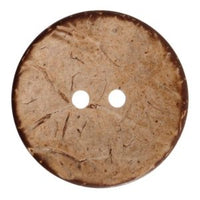
- ☐ White and black 10–11 mm shirt buttons, one gross (144 pcs) of each
- ☐ 15–17 mm trouser buttons in black, navy and grey
- ☐ 15 and 20 mm jacket buttons in black and navy
- ☐ 17 mm jeans buttons in antique brass and nickel
- ☐ Small 11–12 mm cuff buttons
5. Snaps, trouser hooks and eyelets
These trims are set with a press or a hand tool, so the sets must match your equipment.
- ☐ 10–12.5 mm snap fasteners in nickel and black, 100 sets each
- ☐ 6–10 mm sew-on snaps for blouses and dresses
- ☐ Trouser and skirt hooks in silver and black, 50 sets each
- ☐ Eyelets with washers for drawstrings and belts
- ☐ A hand press or machine with dies for the sizes you use
Have a look at our trouser hooks and snap fasteners.
6. Tapes, hook-and-loop and interfacing
- ☐ Hook-and-loop tape in 20, 25 and 50 mm, black and white
- ☐ 10–20 mm herringbone tape for hanger loops and reinforcement
- ☐ 3–10 mm satin ribbon for ties and trims
- ☐ Fusible interfacing in light and medium weights
- ☐ Hemming tape and fusible web for quick fixes
7. Small but indispensable
- ☐ Cord ends and stoppers for hoodies and sports jackets
- ☐ Rings and sliders for straps
- ☐ Spare sliders for No. 3 and No. 5 zippers
- ☐ Machine needles in several sizes (70, 80, 90, 100) plus jersey needles
- ☐ Pins, chalk and seam rippers
Adapting the list to your workshop's profile
The quantities above suit a general-purpose atelier. In practice every workshop has a speciality, and that shifts the centre of gravity of its stock.
- Alterations and repairs. Zippers and trouser hooks matter most. Double the closed-end No. 3 coil zippers and metal jeans zippers, keep extra black and navy thread and at least two or three rolls of 2–3 cm elastic. Shirt and trouser buttons also move quickly.
- Dresses and occasionwear. The focus is on long invisible zippers (50–60 cm), small sew-on snaps, hooks and eyes, satin ribbons and interfacing. Shirt buttons matter less, while decorative buttons are ordered per design.
- Children's wear. More narrow elastic (0.5–1.5 cm), snaps for bodysuits and dungarees, nickel-free metal trims and soft labels. Cords in the neck area of children's garments are avoided for safety reasons.
- Sportswear and jersey. Wide 3–5 cm elastic, drawcords, cord ends and stoppers, open-end No. 5 zippers, and thread for overlock and coverstitch.
Keeping stock lean
The most common mistake is buying fashion colours "just in case". They take up space and rarely get used. Let real jobs guide you: at the end of each month, review what you used and top up only the core positions. Note supplier codes so you can reorder exactly the same colour and size.
Keep thread and elastic in a dark, dry place, because sunlight and heat age them. Store metal trims in closed boxes with silica gel, especially if your workshop is in a damp room.
Bul-tex supplies trims to ateliers and manufacturers, with DHL Express delivery across the EU. If you would like help putting together a core stock package for your workshop, drop us a line. For more ideas, browse the Accessories section of our blog.