

Trims trends for 2026–2027 pull in two directions at once: towards bolder, heirloom-style details that people remember, and towards proof, traceability and fewer but better materials. For a brand this isn't fashion for its own sake. Trims are ordered months ahead of the season, so what you choose today defines how the collection looks a year from now. We've rounded up eight trends and added the practical takeaway for each: what it means for your next order.
1. Heavy, heirloom-style hardware
Luxury collections for 2026 lean on weighty, expressive metal details – buckles, rings and embossed buttons that look like something handed down. The tone is warm: antique gold, bronze and gunmetal rather than mirror chrome.
For your order: one strong metal accent per style is enough. Pick a finish that works across the whole collection and check that the metal is nickel-free under REACH. Browse our metal hardware – rings, adjusters and cord stoppers in gunmetal and light gold.
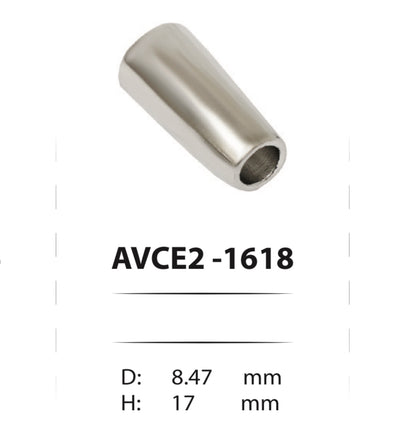
 Metal cord ends for cords and elastic bands 1618
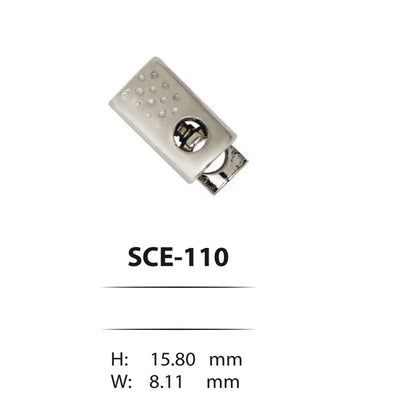
 Metal cord and elastic stoppers 110 – single hole (5 mm), dotted design
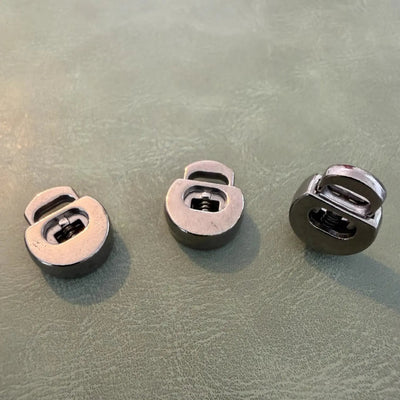
 Metal stopper E-2131 Gun Metal 1.5 cm – Single hole, Round padlock-style model
2. Ribbons and bows
The bow has moved out of childrenswear and into womenswear – on necklines, sleeves, shoes and bags. Narrow satin and grosgrain ribbons work both as ties and as decoration.
For your order: 6–15 mm widths for decorative bows and 3–7 mm for ties. Grosgrain holds the shape of a bow; satin drapes more softly. See our ribbons in more than 15 colours.
3. The visible logo waistband
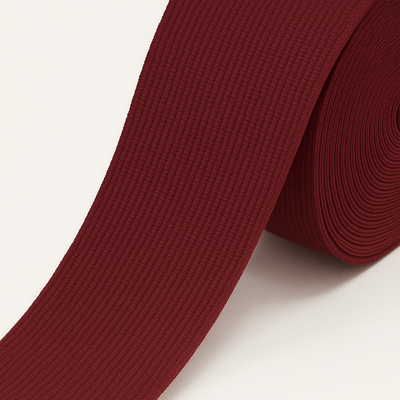
A jacquard waistband carrying the brand name and showing above the trousers is no longer just for underwear. It now appears on joggers, shorts, swimwear and athleisure, turning the elastic into a brand carrier that is seen every time the garment is worn.
For your order: 25–40 mm widths for a visible waistband. For small brands a practical start is a dense woven elastic in the brand colour; the branded version is made to order.
4. Reflective details
Reflective piping, tapes and prints are crossing over from workwear into urban and sportswear. The 2026 requirement is durability: the detail has to keep reflecting after repeated washing, otherwise it's just a grey stripe.
For your order: ask how many wash cycles the material was tested for, and place details where the body moves – sleeves, ankles and back.
5. Recycled materials – with proof
Recycled zippers, tapes and elastics are now the baseline. What has changed is communication: since 27 September 2026, Directive (EU) 2024/825 bans generic environmental claims without evidence. The trend isn't "eco", it's "exact": "tape in 100% recycled polyester, GRS certified".
For your order: request a certificate for the specific article and keep the paperwork with your tech pack.
6. Natural buttons and tactile materials
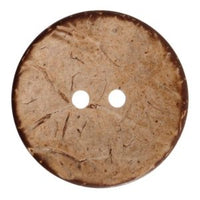
Corozo, shell, wood and coconut remain strong, especially in matte and slightly irregular surfaces. Shoppers want a button that feels natural under their fingers. Shell is returning to shirts and corozo to tailoring and coats.
For your order: choose one natural material as your brand's signature. See our natural buttons – SHELL mother-of-pearl, corozo, wood and coconut.
7. QR labels and the Digital Product Passport
The Ecodesign for Sustainable Products Regulation (ESPR, Regulation (EU) 2024/1781) is laying the groundwork for a Digital Product Passport for textiles. The exact requirements for clothing will be set in a delegated act, but brands are already adding a QR code to the hang tag or sewn label, linking to care instructions, composition, origin and repair.
For your order: reserve at least 15 × 15 mm for a QR code when designing labels, even if you don't use it yet.
8. Quiet branding: tone on tone
The counterpoint to loud logos is quiet luxury – labels, buttons and zippers matched to the fabric, with the logo woven tone on tone or engraved without colour. The brand is recognised by quality, not by logo size.
For your order: match zipper, thread and button colours to the fabric by Pantone and ask for a sample before bulk production.
What's fading
- Shiny chrome and mirror finishes on every detail.
- Stiff, scratchy neck labels – customers cut them out.
- Plastic buttons imitating natural materials in the premium segment.
- Vague "eco" wording with nothing specific behind it.
Choosing for your brand
| Brand type | Trends with the most impact |
|---|---|
| Womenswear | Bows, warm metals, shell buttons |
| Menswear, classic | Corozo, tone on tone, solid buckles |
| Sport and athleisure | Logo waistbands, reflective details, recycled zippers |
| Childrenswear | OEKO-TEX trims, soft labels, QR codes for care |
| Handmade | Natural buttons, cotton tapes, canvas labels |
Tip: don't chase every trend. Pick one that fits your brand's DNA and apply it consistently across every style.
Timeline: when to order for the season
A trend only pays off if the trims arrive on time. A rough plan for a small or mid-sized brand:
- 9–12 months before launch: choose the trend and direction, build a moodboard, request first samples of stock buttons, hardware and ribbons.
- 6–9 months before: brief the branded trims – jacquard waistbands, woven labels, logo buttons. This is where design, sampling and approval happen.
- 3–6 months before: place bulk orders for all trims, check colour and quantity, and add a 3–5% allowance for rejects and repairs.
- 1–3 months before: sewing, tagging and packing. Stock trims can still be topped up now; branded ones can't.
For a spring–summer 2027 collection, that means decisions on branded elements are made at the end of 2026.
Bul-tex manufactures and supplies buttons, labels, elastics, ribbons and metal hardware, and accepts orders for branded trims. If you're planning a 2027 collection, contact us early – branded trims need sampling and production time. For more ideas, browse the Accessories section of our blog.