Eco friendly hang tags are often the first thing a shopper touches, so they end up carrying the whole sustainability story of a brand. The catch is that a kraft-brown colour does not automatically make a tag green. A swing tag can look natural and still be laminated with plastic film, printed with mineral-oil inks and attached with a nylon tagging pin. This guide covers what genuinely makes a hang tag more sustainable, which materials are worth it, and how to talk about them without falling into greenwashing.
Checklist: is your hang tag really eco?
Run through these questions before you pick a stock. The more answers are "yes", the easier your choice is to defend.
- Recycled fibre content – is the percentage known (for example 100% recycled pulp, or 50% post-consumer waste)?
- Certified fibre source – is the board FSC or PEFC chain-of-custody certified?
- No lamination – a plastic film over the board makes it practically unrecyclable.
- Inks – are they soy, vegetable or water based?
- Finishes – are foil and UV varnish limited to small accents, or skipped altogether?
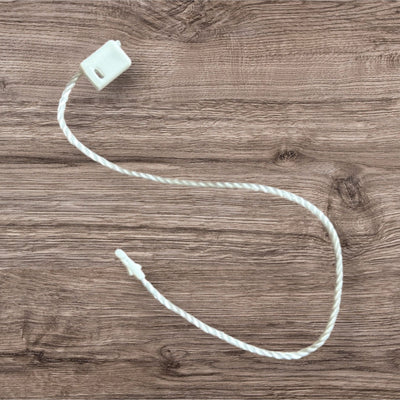
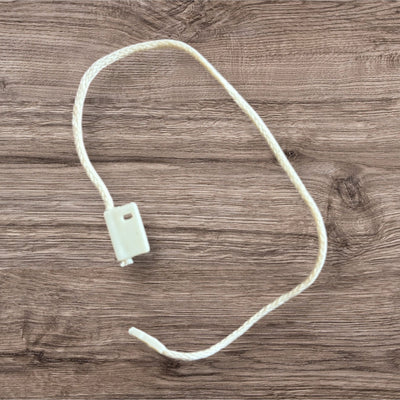
- Attachment – cotton, jute or recycled polyester string instead of a plastic barb.
- Size – is the tag as big as it needs to be, not bigger just to look premium?
 String fasteners for cardboard tags 01
 String ties for cardboard tags 02
 Printed canvas label LBL 0074 4 x 3 cm – brown base with black print, soft premium design, with logo
The materials one by one
Recycled board
Recycled board is made from recovered paper fibre and, according to manufacturers, uses less energy and water than virgin pulp. For swing tags, 300–450 gsm is the usual weight range: stiff enough not to flop on the hanger. Recycled board comes in bleached white or in natural grey and beige tones with visible fibres. White recycled board takes full-colour print almost like virgin stock, while unbleached grades give softer, more muted colours.
Kraft board
Kraft is unbleached board with the familiar brown look. It can be made from virgin or recycled fibre, so ask specifically – the colour alone tells you nothing about the source. Kraft is tough, pleasant to handle and suits denim, workwear and natural-fibre aesthetics. Dark inks work best on it: black, deep brown, forest green. White ink is possible but needs a heavy print or screen printing.
FSC board
FSC certification shows that the fibre comes from responsibly managed forests or recycled material. One important detail: the FSC logo may only appear on your tag if the printer holds its own FSC chain-of-custody certificate. Buying FSC board does not by itself give you the right to print the logo, and this is one of the most common slip-ups for small brands.
Seed paper
Seed paper is made from recycled fibre with flower or herb seeds embedded in it. Once the customer removes the tag, they can plant it. It is a great marketing gesture with real limits: the surface is uneven, print is coarser, fine text disappears and foil stamping is not a good fit. Store the tags somewhere dry, because moisture can trigger the seeds early.
Eco hang tag materials compared
| Material | Print quality | Durability | Best for |
|---|---|---|---|
| White recycled board | Very good, full colour | High | Core collections, kidswear |
| Kraft board | Good with dark inks | High | Denim, natural fabrics, workwear |
| FSC board | Depends on the grade | High | Brands with documented sustainability claims |
| Seed paper | Medium, no fine detail | Medium | Capsule drops, gifts, events |
Inks, finishes and strings
Soy and water-based inks contain fewer volatile organic compounds and make paper easier to de-ink and recycle. Skipping lamination matters even more: a thin plastic film turns board into a composite that is hard to process. If you want a premium feel, more sustainable options are blind embossing without foil, a heavier board, or a duplex board with a coloured core.
Attachment is the part people forget. A plastic tagging barb is cheap and fast to apply, but it is exactly the detail that shoppers of sustainable brands notice. A cotton or jute string tied in a knot or closed with a small metal eyelet looks better and is easier to dispose of. At Bul-tex we stock hang tag strings that suit both kraft and white board.
Tip: one well-designed tag for the whole collection, with a blank field for price and size, cuts waste from unused print runs more than any material switch.
Talking about sustainability without overclaiming
Directive (EU) 2024/825 on empowering consumers for the green transition bans generic environmental claims such as "eco", "green" or "nature-friendly" unless they are backed by recognised, provable environmental performance. Member states apply the rules from 27 September 2026. So instead of "eco tag", be specific: "printed on 100% recycled board" or "FSC-certified board, unlaminated". Keep the paperwork from your supplier – a recycled-content declaration or the FSC certificate number.
Be careful with claims about the whole garment too. An eco hang tag does not make a T-shirt sustainable. If the fabric is conventional, the honest move is to let the tag speak only for itself: "This tag is made from recycled board – please recycle it."
What prints well on recycled stock
- Logo and brand name – clean shapes with lines above 0.3 mm reproduce well even on kraft.
- QR code – at least about 2 × 2 cm with strong contrast; go bigger on seed paper.
- Barcode – dark kraft can make scanning harder, so print the barcode on a white panel or a sticker.
- A short material statement – far more convincing than slogans.
A hang tag never replaces the mandatory fibre composition label required by Regulation (EU) No 1007/2011 – composition must be on a durable label attached to the garment. For that, see our woven, satin and printed labels, and read more articles about clothing labels.
FAQ
Do eco hang tags cost more?
Recycled and kraft board usually cost about the same as standard stock. The bigger price jumps come from seed paper and special finishes. Dropping lamination and foil often offsets a pricier board.
Can a kraft tag be white on the front?
Yes – with white screen printing or a duplex board. The second option makes recycling harder if the layers are bonded with a plastic adhesive.
Can you produce branded hang tags?
Bul-tex manufactures and supplies garment trims and takes custom orders from brands. For hang tags made to your design, get in touch and we will talk through board, size and quantity.