Knowing how to clean brass buttons is a small ritual that brings the shine back to a navy blazer, a uniform or a classic overcoat. There is a catch, though: many "brass" buttons are only brass-coloured, either plating over zinc alloy or lacquered brass, and aggressive polishing can ruin them in minutes. This practical guide shows you how to identify what you have, how to protect the cloth and how to clean and polish buttons safely.
Step 0: Work out what kind of button you have
Before you reach for a cloth and polish, identify the button type. Everything else depends on it.
| Type | How to recognise it | Can it be polished? |
|---|---|---|
| Solid, unlacquered brass | Warm yellow tone that darkens evenly over time; leaves a dark mark when rubbed with a white cloth | Yes |
| Lacquered brass | Even shine that doesn't tarnish for years; the cloth stays clean | No, wet cleaning only |
| Gold-tone plating over zinc alloy or steel | Lighter, or magnetic (steel); grey metal may show at the edge | No, polishing removes the plating |
| Gilt or antique brass finish | Dark recesses, bright raised areas | No, you'd remove the patina |
Three quick tests
- White cloth test: rub the back. A black mark means bare brass that oxidises; a clean cloth means lacquer or plating.
- Magnet test: brass isn't magnetic. If a magnet sticks, there's steel under the finish.
- Check the edge and shank: worn spots reveal the real metal, yellow for brass, grey for zinc alloy.
Rule number one: if in doubt, treat the button as plated and use only mild soap and water.
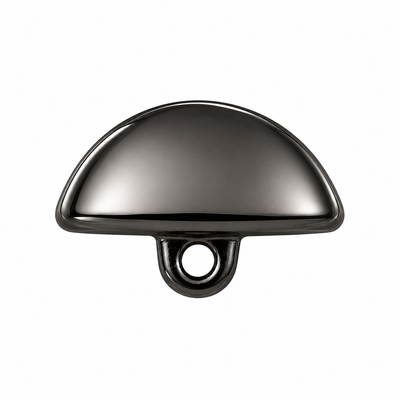
 Gold brass metal buttons 7-M020 Col 406 – 20 mm for designer clothing
 M020 Gun Metal Brass Buttons – 20 mm for coats and jackets
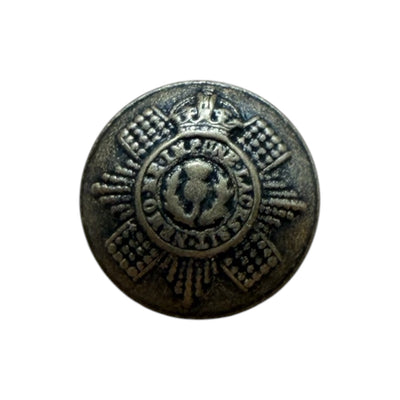
 Lightweight metal brass buttons 20-046078-22 Col 2551 – Antique brass 18 mm
Step 1: Protect the cloth
Metal polishes leave dark marks on wool that are hard to remove. You have two options:
Option A: A button guard
A button guard is a thin plate of card, plastic or metal with a slot that slides under the button around its shank. The button sits on top while the cloth beneath stays protected. You can make one from stiff card: cut a rectangle of about 6 x 10 cm with a narrow slot to the centre.
Option B: Remove the buttons
For a thorough clean, or if the buttons are heavily tarnished, it's easier to snip them off carefully, clean them separately and sew them back on. It's also a good chance to reinforce the thread.
Step 2: Cleaning solid brass
- Degrease: wipe with a cloth dampened with warm water and a drop of washing-up liquid, then dry.
- Light oxidation: apply a paste of baking soda and a little water with a soft cloth, using circular movements. Wipe off with a damp cloth.
- Heavier tarnish: use white vinegar on a soft cloth, or a paste of vinegar, salt and a little flour. Leave for a few minutes, then wipe off.
- Dry thoroughly: moisture left in the relief and around the shank speeds up fresh oxidation.
- Polish: with a small amount of brass polish on a cotton or microfibre cloth. Use a soft toothbrush for crests and relief.
- Finish: buff with a clean, dry cloth to a shine.
Step 3: Caring for lacquered and plated buttons
These buttons should not be polished. All they need is:
- a wipe with a cloth lightly dampened in warm soapy water;
- drying with a soft cloth;
- no abrasive pastes, vinegar or metal polish.
If the lacquer on a brass button has started to peel and the metal underneath is darkening, you have two choices: live with the patina, or strip the lacquer completely (with acetone, on a removed button) and maintain it as bare brass from then on.
Patina: remove it or keep it?
Brass naturally develops a patina over time. Many lovers of classic menswear prefer blazer buttons with that depth, as it looks authentic and distinguished. Bright buttons suit ceremonial uniforms and nautical styling, while slightly mellowed ones suit an everyday tweed jacket. There is no right answer, but once you polish to a high shine you'll need to keep it up regularly.
How often to clean
- Blazer worn daily: a light wipe once a month, a polish a few times a year.
- Ceremonial uniform: before every wear.
- Seasonal overcoat: before storing it for summer, clean and dry the buttons so they don't tarnish in the wardrobe.
Common mistakes
- Polishing plated buttons, which strips the gold layer and exposes grey metal.
- Using sandpaper, steel wool or abrasive scourers.
- Leaving paste in the relief, where it dries into white or green residue.
- Washing or dry cleaning the jacket while the buttons are still wet with polish.
- Using metal polish without a guard, leaving dark marks on the wool.
Keeping the shine longer
After polishing, you can apply a thin coat of microcrystalline wax or a dedicated brass protectant. It slows oxidation and makes the next clean easier. Apply it with a soft cloth, let it dry for a few minutes and buff. Store the jacket in a cotton garment bag rather than plastic, away from rubber bands and newspaper, whose sulphur compounds speed up tarnishing.
FAQ
Can I clean the buttons with toothpaste?
Toothpaste is a mild abrasive and works on solid brass, but it leaves white residue in the relief and is too harsh for plated buttons. Baking soda is more predictable.
Why have my buttons turned green?
The green film is copper salts that form with moisture and salt. Clean it off with vinegar, dry thoroughly and keep the jacket somewhere dry.
Will polishing damage an engraved crest?
Not with moderate polishing. The dark recesses do highlight the relief, though, so don't scrub them bright; focus on the raised areas.
When to replace the buttons
If the plating has worn through to grey metal, or the buttons have pits and green spots that won't clean off, a new set is the best move. A classic blazer usually has two or three front buttons of about 20–22 mm and three or four smaller sleeve buttons of around 15 mm on each cuff. Browse our metal buttons and coat buttons, and find more ideas in our button articles. For custom crest or logo sets, contact Bul-tex.