Polyester buttons are the most widely used buttons in the garment industry – from shirts and dresses to blazers and coats. They combine a low price, durability and a huge range of colours and effects. If you are wondering whether polyester is the right choice for your garment and how to pick the right model, here is everything you need in one place.
What polyester buttons are
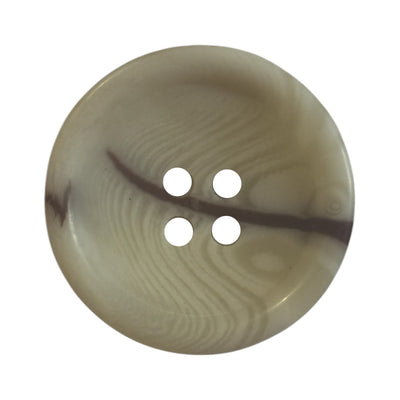
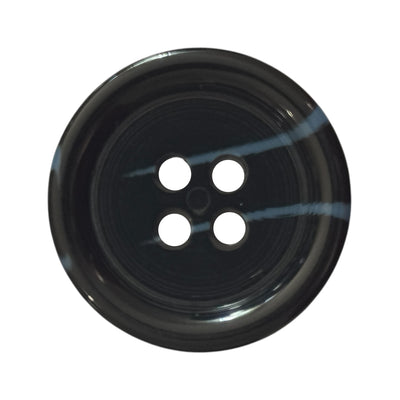
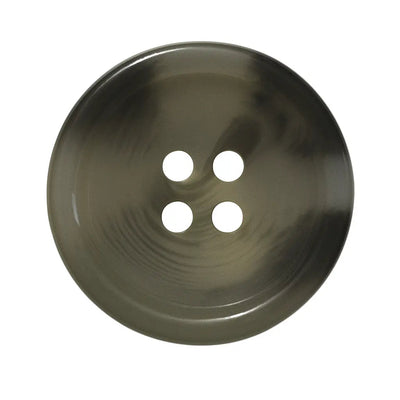
They are made from polyester resin that is cast into sheets or rods. Blanks are cut from these, then turned, drilled and polished. Because the resin can be tinted and layered, polyester buttons convincingly imitate horn, mother of pearl, marble and wood, with effects such as marbling, stripes, pearly lustre or a matte surface.


Key benefits
- Durability – they do not break easily and handle machine washing and spinning;
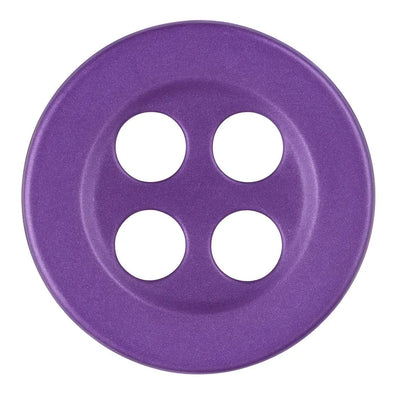
- A huge choice of colours – easy to match the fabric exactly or add a contrasting accent;
- Consistency – unlike natural materials, every button in a batch looks the same, which matters for production and for replacing a lost button;
- Light weight – they do not drag on thin or stretchy fabrics;
- Affordable – a good fit for workshops, manufacturers and home sewists alike.
Matte or glossy?
Matte polyester buttons look more understated and natural – they suit wool jackets, coats, tweed and casual wear. Glossy buttons add elegance and work well with suiting fabrics, dresses and eveningwear. Marbled models with a pattern imitate horn and are a versatile choice for menswear.
Which size to choose
Most polyester buttons come in several sizes of the same design, so one button can be used on both the front and the sleeves. As a guide:
| Size | Ligne (L) | Where it is used |
|---|---|---|
| 15 mm | 24 L | Jacket sleeves, waistcoats, pockets |
| 18 mm | 28 L | Women's jackets, dresses, cardigans |
| 20 mm | 32 L | Front of a men's jacket |
| 22–25 mm | 36–40 L | Trench coats, jackets, light coats |
| 28 mm and up | 44 L+ | Winter coats, decorative accents |
At Bul-tex, many ranges such as PG 265 and PG 292 come in sizes from 15 to 28 mm in dozens of colours.
Caring for garments with polyester buttons
- Polyester handles normal machine washing, but very high heat and direct contact with a hot iron can dull or warp it;
- Iron around the buttons or on the reverse side;
- Button the garment up before washing to reduce friction on the buttonholes;
- For dry cleaning, the buttons usually do not need to be removed.
How to choose the colour
The easiest way is to take a fabric swatch and compare buttons in daylight. For plain fabrics, pick a button in the same shade or slightly darker. For checks and marled fabrics, look for marbled buttons that pick up one of the colours in the pattern. White and ecru buttons are the standard for shirts, while black, grey and dark brown cover most jackets and coats.
Frequently asked questions
Are polyester buttons better than natural ones?
Neither better nor worse – just different. Polyester is cheaper and more uniform, while natural materials such as corozo and mother of pearl have a unique look and feel.
Can you iron over a polyester button?
It is best not to place a hot iron directly on it. Iron around the button or use a pressing cloth.
How do I find a match for a lost button?
Measure the diameter in mm, count the holes and compare the colour in daylight. If you cannot find an exact match, replace all the front buttons.
Browse all polyester buttons and compare them with our natural buttons. For shirts, see the dedicated shirt buttons collection.