Elastic loses its stretch faster than the garment itself wears out, which is why the waistband of your favourite trousers or pyjamas so often goes slack after a year or two. The causes are almost always the same: heat, chemicals, mechanical damage and poor storage. Here is what actually happens and how to make your elastic last longer.
What elastic is made of
Most flat garment elastics have a stretchy core of rubber (latex) or elastane threads, wrapped in or woven together with polyester yarns. Polyester gives strength and colour, while the elastic threads provide the recovery. Once those core threads are damaged, the elastic stays stretched and wavy even if the outside still looks new.
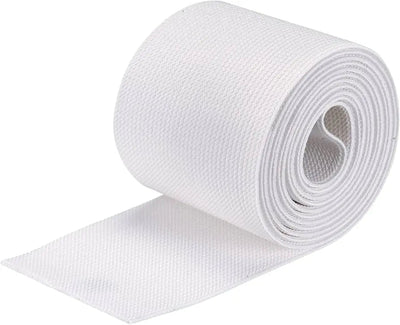
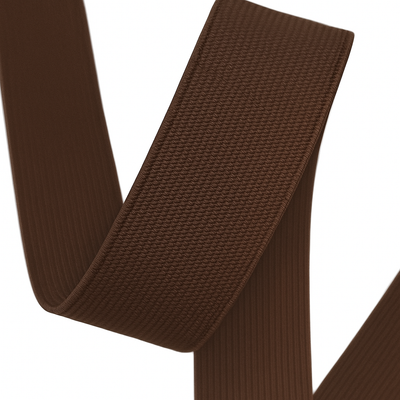
 Flat woven elastic red PEL 0008 on a 25 m roll
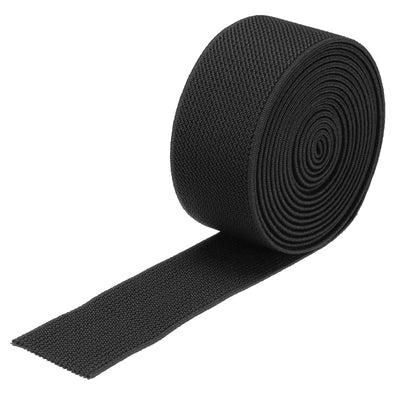
 Black woven elastic 1.5 cm WE 1015 – strong and firm elastic with Oeko-Tex certificate
 Black flat woven elastic PEL 0002, 25 m roll
5 reasons elastic goes slack
- High temperatures. Washing at 60–90 °C, tumble drying and ironing directly over the elastic all speed up the ageing of rubber.
- Chlorine and bleach. Chlorinated pool water and chlorine bleach break down elastic threads – a common culprit with swimwear and sportswear.
- Fabric softener and harsh detergents. Some softeners and stain removers weaken elastane with frequent use.
- Needle damage. A sharp needle can cut the rubber threads while sewing. That is why a ballpoint or stretch needle is recommended for elastic.
- Constant tension. Elastic cut too short, or a garment hung by its waistband, stays permanently stretched and tires the threads.
How to wash garments with elastic
- Wash at 30–40 °C – for most everyday clothes this is perfectly sufficient.
- Use a gentle cycle and a lower spin speed.
- Avoid chlorine-based products. If you need to whiten, choose oxygen-based ones.
- Use softener sparingly, or skip it entirely for sportswear and underwear.
- Rinse swimwear in clean water straight after the pool or the sea.
Drying, ironing and storage
Line dry or lay garments flat, or hang them by the hem rather than the waistband. The tumble dryer is elastic's worst enemy; if you do use one, pick a low heat setting. Do not iron directly over elastic – if needed, use steam from a distance and a pressing cloth.
Store unused rolls of elastic somewhere dark and dry, away from radiators and direct sunlight. UV light and heat age rubber even when it sits on the shelf.
Making elastic last longer from the sewing stage
Durability starts at the sewing table. Cut elastic to an exact measurement rather than by eye, because elastic that is too short is under constant tension. Sew with a stretch needle and a zigzag stitch so you do not cut the rubber threads. For waistbands that are washed often, choose a wider elastic: the load is spread over more threads, so they tire more slowly.
When to replace the elastic
If the elastic has turned wavy, no longer springs back after stretching, or you can hear threads snapping as you pull it, it is time for a new piece. With a casing waistband this takes minutes: unpick 3–4 cm of the seam, attach the new elastic to the old one and pull it through. Choose the same or a slightly wider width – woven elastics resist rolling and suit waistbands that are washed often.
Frequently asked questions
Can slack elastic be restored?
Not fully. A quick hot wash sometimes shrinks it temporarily, but damaged rubber threads do not recover. Replacing it is the more reliable fix.
What temperature should I wash elastic garments at?
30–40 °C is recommended. Higher temperatures shorten the life of the elastic, especially when combined with a tumble dryer.
Why does swimwear elastic fail first?
Because of the mix of chlorine, salt, sun and heat. Rinsing in clean water after every use extends its life considerably.
When it is time for fresh elastic, browse knitted and woven elastics at Bul-tex from 1 to 10 cm, along with the sewing accessories you need to attach them.